

In Go (or Baduk in Korean), sente means having the initiative. It is the posture of making moves that set the tempo and force responses, rather than spending your turns reacting. The opposite is gote, where you answer threats and play from behind.
In 2016, Lee Sedol sat across from AlphaGo, an AI built to play the east Asian game of strategy, Go (or Baduk). Early in the match, AlphaGo played its now-legendary Move 37 and placed a stone in an unexpected position that initially looked like a mistake but later proved brilliant. The move was a result of an algorithm that explored and refined patterns of play that humans had never considered. In other words, AlphaGo expressed creativity. In that moment, the AI took sente from humans. However, when it comes to protecting our organizations’ most valuable secrets, we cannot afford to be backfooted by the machines.
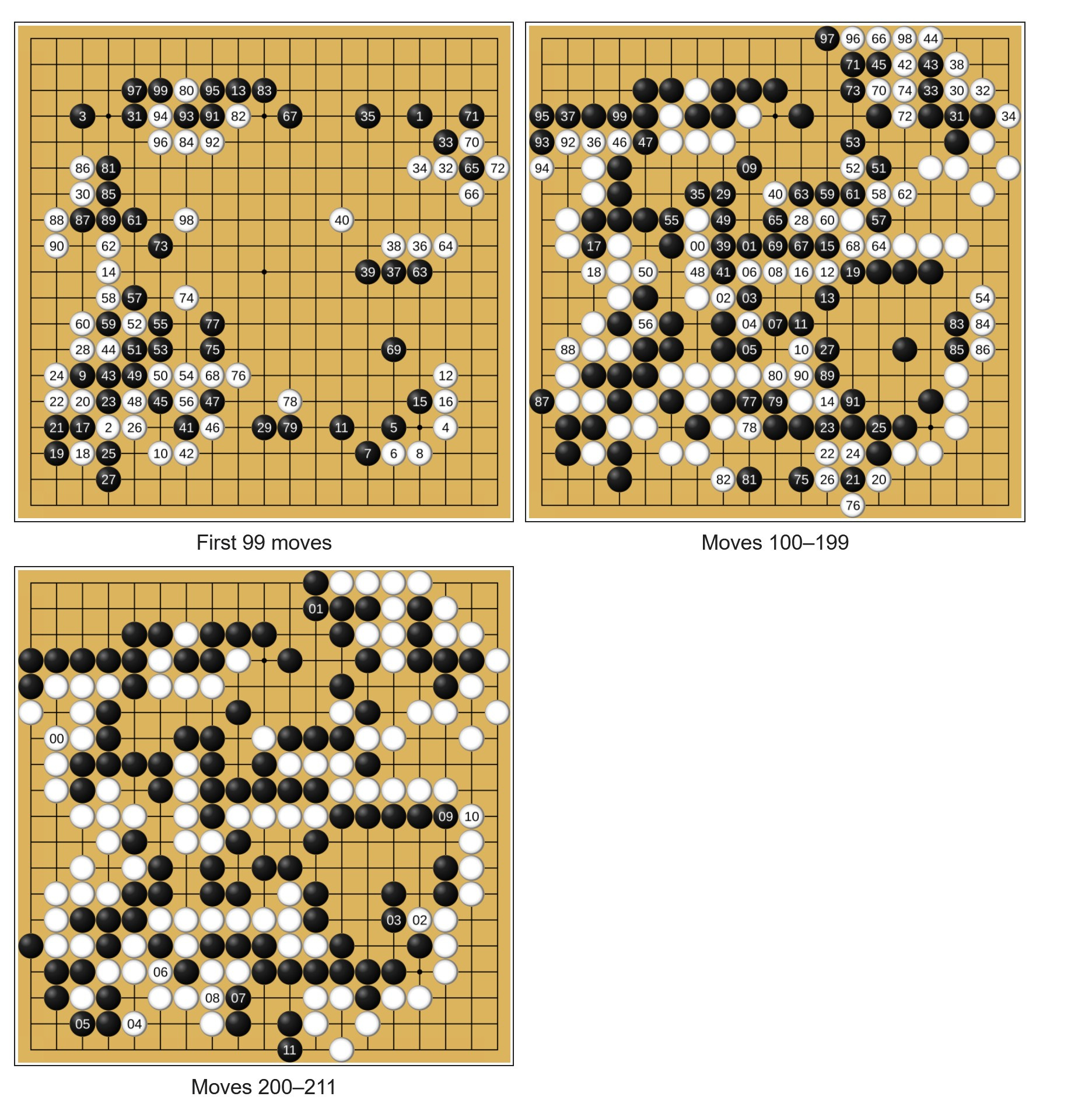
Games have always played a central role in the AI research community culture. In 1997, IBM’s Deep Blue defeated Garry Kasparov at chess. Deep Blue was largely a system of massive search and human-crafted evaluation that could calculate far deeper than a person. The attention that Deep Blue brought to the AI community was later echoed by the attention that the Lee Sedol series brought to the deep learning community.
The Lee Sedol series also pointed to something that still defines the state of AI (and specifically deep learning) today. We can often explain what a model did after the fact, but we do not fully understand how it arrives there in the moment. Move 37 is a clean example of AI evolving in ways we do not predict, producing strategies that experts only recognize as brilliant once the consequences unfold.
Cybersecurity too often feels like gote. Teams patch after incidents, chase alerts, and respond after attackers have already shaped the situation. SenTeGuard’s mission is to help defenders play sente by regaining initiative through earlier signal, clearer prioritization, and workflows that make it harder for attackers to dictate pace.
AI will amplify both offense and defense. It will help attackers scale deception and discovery. It can also help defenders spot patterns sooner and respond faster. The goal is not to chase novelty for its own sake, but to use AI in a way that moves security from reaction to initiative, from gote to sente.